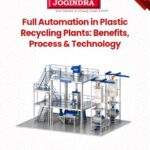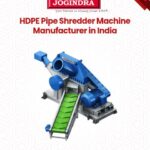

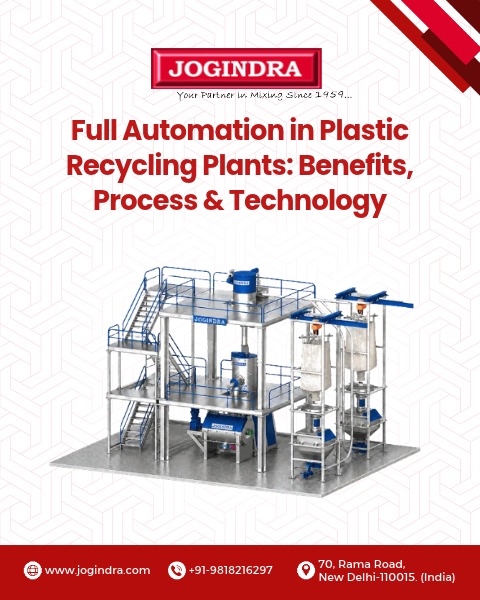
Plastic recycling is becoming important for industries as businesses look for better ways to reduce plastic waste and reuse materials. Jogindra, one of the best plastic recycling machine manufacturers in India, provides plastic recycling and processing machinery for different industrial requirements. With the help of full automation, manufacturers can make recycling processes easier, reduce manual work and improve production efficiency.
A fully automated plastic recycling plant uses different machines and automatic systems to handle plastic waste. These machines help with shredding, grinding, mixing and material handling. They also help manufacturers manage production with less manual effort.
In this article, we will explain how full automation works in plastic recycling plants, its benefits, the machines used and the role of automation in modern plastic manufacturing.
What Is Full Automation in Plastic Recycling?
Full automation in plastic recycling means using automatic machines and control systems to perform different recycling operations with less manual work.
In a traditional recycling process, workers may need to handle materials and move them between machines. An automated system makes these tasks easier with the help of conveyors, feeding systems and control panels.
A fully automated plastic recycling plant can help manufacturers:
-
Reduce manual work and material handling.
-
Save time during production.
-
Improve machine performance.
-
Maintain consistent processing.
-
Reduce material wastage.
-
Manage large production requirements.
The level of automation depends on the type of plastic waste, production capacity and machines used in the plant.
How Does a Fully Automated Plastic Recycling Plant Work?
A plastic recycling plant uses different machines to process plastic waste. Each machine performs a specific task to prepare the material for further use.
Here are the main steps involved in the plastic recycling process.
1. Plastic Waste Feeding
The process starts with feeding plastic waste into the machine. Automatic feeding systems and conveyors help move plastic materials towards the processing equipment.
2. Plastic Shredding
Large plastic waste is passed through a plastic shredder. The machine cuts the material into smaller pieces, making it easier to process further.
3. Plastic Grinding
After shredding, plastic pieces can be processed through a granulator or grinding machine. This reduces the material size and prepares it for the next stage.
4. Washing and Cleaning
Some plastic waste contains dirt, oil, labels and other unwanted materials. Washing equipment helps clean the plastic before further processing.
5. Drying and Material Handling
After washing, plastic materials need to be dried. Conveying systems can then transfer the material to other machines without requiring much manual handling.
6. Mixing and Processing
Plastic materials are sometimes mixed with colours, additives or other materials. Industrial mixing machines help blend these materials properly.
7. Final Processing
After completing the required processing stages, the material can move to granulation, extrusion or other equipment, depending on the final product requirements.
Benefits of Full Automation in Plastic Recycling Plants
Full automation helps manufacturers manage their plastic recycling operations more easily. It also improves the movement of materials between different machines.
Here are some important benefits.
1. Faster Production
Automated machines help reduce delays between processing stages. This allows manufacturers to complete different operations more smoothly and manage production efficiently.
2. Less Manual Work
Automatic feeding and conveying systems reduce the need for workers to move materials manually. This saves time and reduces repetitive tasks.
3. Better Processing Quality
Machines such as shredders, granulators and mixers perform specific tasks with controlled settings. This helps manufacturers maintain more consistent processing results.
4. Easy Material Handling
Automatic conveying systems move plastic granules, powders and other materials from one machine to another. This makes material handling easier and keeps the production area organised.
5. Reduced Material Wastage
Plastic manufacturing waste and rejected products can be processed through suitable recycling machines. The recovered material can be reused in production wherever its quality and application allow.
6. Improved Workplace Safety
Automation reduces workers’ involvement in some repetitive tasks and material handling activities. Proper machine guards and safety systems also help create a safer working environment.
7. Better Production Management
Automatic control panels help operators manage machine operations and monitor different production stages. This makes it easier to control the overall process.
Important Machines Used in Automated Plastic Recycling Plants
Different machines are required for different stages of plastic recycling. Jogindra offers a range of plastic recycling and processing machinery for industrial applications.
1. Single Shaft Shredder
A single shaft shredder is used to cut large plastic waste into smaller pieces. It is suitable for processing plastic lumps, pipes and other bulky materials.
2. Four Shaft Shredder
A four shaft shredder is designed for heavy-duty plastic size reduction. It helps process different types of industrial plastic waste.
3. Scrap Granulator Machine
A scrap granulator reduces plastic scrap into smaller granules. It is useful for processing rejected plastic products, leftover materials and production waste.
4. Pulverizer Machine
A pulverizer is used to convert suitable plastic materials into fine powder. It is commonly used for PVC and other plastic processing applications.
5. Breaker Cum Granulator
A breaker cum granulator combines breaking and granulating operations. It helps reduce suitable plastic scrap into smaller pieces for further processing.
6. Heating Cooling Mixer
A heating cooling mixer is used to mix plastic materials with colours and additives. It is commonly used in PVC processing, plastic compounding and masterbatch manufacturing.
7. Vacuum Hopper Loader
A vacuum hopper loader transfers plastic granules and powders from one place to another. It reduces manual material handling and supports smooth production.
8. Automatic Batch Conveying System
An automatic batch conveying system transfers materials between different machines according to production requirements. It helps manage material movement in plastic processing plants.
Technologies Used in Plastic Recycling Automation
Modern plastic recycling plants use different technologies to control machines and manage material movement.
Some commonly used technologies include:
-
PLC Control System: Helps control machine operations automatically.
-
Automatic Feeding System: Feeds plastic waste into processing machines.
-
Sensors: Help monitor machine conditions and identify certain operating issues.
-
Vacuum Conveying System: Transfers plastic granules and powders using suction.
-
Screw Conveying System: Moves plastic materials through a rotating screw.
-
Spring Conveying System: Transfers suitable materials through a flexible conveying system.
-
Centralised Control Panel: Allows operators to monitor and control connected machines.
These technologies help improve material handling and make production operations easier to manage.
Why Choose Jogindra for Plastic Recycling Machinery?
Choosing the right plastic recycling machine manufacturer is important for every recycling business. The right machines can help improve production, reduce manual work and manage plastic waste more effectively.
Jogindra Engineering Works Pvt. Ltd. is an established plastic recycling and processing machinery manufacturer in India. Founded in 1959, the company has more than six decades of experience in manufacturing industrial machinery.
Jogindra provides different machines and solutions for plastic recycling, shredding, grinding, mixing and material handling.
Its product range includes:
-
Single Shaft Shredders
-
Four Shaft Shredders
-
Scrap Granulators
-
Breaker Cum Granulators
-
Plastic Pulverizers
-
High Speed Mixers
-
Heating Cooling Mixers
-
Container Mixers
-
Ribbon Blenders
-
Vacuum Hopper Loaders
-
Automatic Batch Conveying Systems
The company also offers vacuum conveying, screw conveying and spring conveying solutions for material handling applications.
With more than 6,000 installations in India and overseas, Jogindra has experience in serving different industrial requirements. Its manufacturing facilities use CAD/CAM technology and precision manufacturing equipment.
For businesses looking for a full automation machine manufacturer in India, Jogindra offers plastic processing machinery and material handling solutions based on specific production requirements.
How to Choose the Right Automated Plastic Recycling Plant?
Before buying an automated plastic recycling plant, manufacturers should understand their production requirements.
Here are some important points to consider:
1. Type of Plastic: Identify whether you need to process PVC, PP, PE, HDPE, LDPE or other plastic materials.
2. Production Capacity: Choose machines according to the quantity of plastic waste you want to process.
3. Level of Automation: Decide whether you need a semi-automatic or fully automated system.
4. Machine Selection: Select suitable shredders, granulators, pulverizers and mixers.
5. Available Space: Check your factory space and machine installation requirements.
6. Power Consumption: Understand the electricity requirements of the selected machines.
7. Maintenance: Check machine maintenance requirements and spare parts availability.
8. Future Expansion: Consider whether the plant can support higher production requirements in the future.
Choosing the right machinery can help manufacturers manage their recycling operations more efficiently.
Applications of Automated Plastic Recycling Machines
Automated plastic recycling machinery is used in different industries to process plastic waste and manufacturing scrap.
Some common applications include:
-
Plastic Manufacturing: Processing production waste and rejected plastic products.
-
PVC Pipe Industry: Recycling suitable PVC scrap and leftover materials.
-
Packaging Industry: Processing different types of plastic packaging waste.
-
Automotive Industry: Processing selected plastic components and manufacturing scrap.
-
Masterbatch Industry: Mixing plastic materials with colours and additives.
-
Plastic Compounding: Preparing plastic materials for different manufacturing applications.
-
Waste Management: Reducing plastic waste into smaller pieces for further processing.
The selection of machines depends on the type of plastic material and its final use.
Future of Automation in the Plastic Recycling Industry
Automation is playing an important role in the growth of the plastic recycling industry. Manufacturers are looking for better machines that can save time, reduce manual work and improve production.
Some important developments in plastic recycling automation include:
-
Smart machine control systems.
-
Automatic material feeding and conveying.
-
Better production monitoring.
-
Energy-efficient recycling machinery.
-
Integrated plastic recycling systems.
-
Advanced material handling solutions.
These technologies can help businesses improve production and manage plastic waste more effectively.
Conclusion
Full automation is making plastic recycling easier and more efficient. Machines such as shredders, granulators, pulverizers, mixers and conveying systems help reduce manual work and improve material handling.
Choosing the right plastic recycling machinery is important for better production and smooth plant operations.
With more than six decades of experience, Jogindra Engineering Works Pvt. Ltd. provides plastic recycling and processing machinery for different industrial applications. Its range of shredders, granulators, pulverizers, mixers and automatic conveying systems makes Jogindra a reliable choice for businesses looking for plastic recycling solutions in India.